Published
Reading time: 2min – video: 2min
:quality(50)/2025/11/03/j-h-g-69091e825caf7523646816.jpg)
2 minutes
New tax measures aim to support the purchasing power of employees while increasing taxes for high incomes and large companies. The text, still under discussion, arouses both enthusiasm and concern in different sectors of the economy.
This text corresponds to part of the transcription of the report above. Click on the video to watch it in full.
In a restaurant, most employees work overtime. The total tax exemption for these hours for Stéphane Rivière, head of party, goes in the right direction for his purchasing power. He explains:“If we earn more, we can consume more, so we can go out more, have a small restaurant, why not, that’s a change. Once, we’ll put our feet under the table.”
Other good news for Sarah El Genany, part-time waitress: tips will remain tax-free.“For once, they thought a little. They opened their brains. It’s very good. Well done to them. That’s all I can say for once,” she rejoices.
More money in the wallet and taxes that will not increase for 200,000 households. The freezing of the tax scale was rejected. Mossi Barre, head of party, feels reassured by this news:“It only takes a small increase for us to move to another bracket and therefore pay a lot more. It’s more to pay and it’s not always easy.”
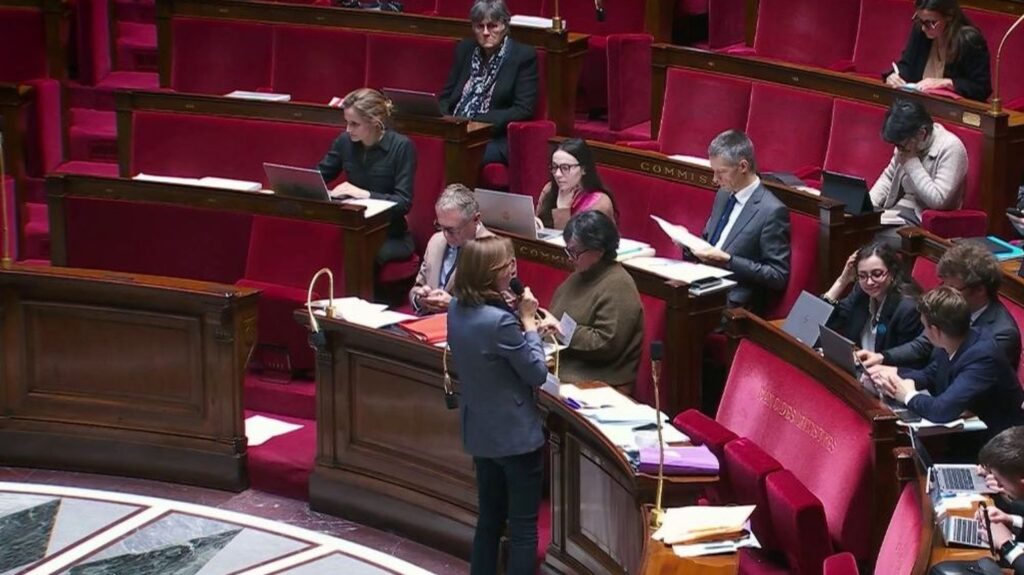
At this stage of discussions in the Assembly, there are therefore winners, but also losers, especially among the wealthiest. The extension of the differential contribution on high incomes and the creation of the tax on unproductive wealth hit large companies, particularly large groups, with the tax on holding companies and the doubling of the tax on GAFAM like Google, Apple or Amazon.
Alexandre Saubot, manager of a company with 2,000 employees, deplores these choices:“The discussions on the budget are not over, but when we take the state of the discussions today, if they were adopted as is, it would be very bad news for the French economy and in particular its industry.”
This increased taxation even questions certain small business owners. Gilles Duault, CEO of the confectioner Kubli, asks: “Won’t that discourage certain entrepreneurs from investing in France or staying in France? So, I’m quite doubtful.”
These measures must still be adopted by senators before a final vote in the Assembly, scheduled for the end of December at the latest.