Published
Updated
Reading time: 2min – video: 2min
:quality(50)/2025/11/05/13h-0511-tickets-resto-690b58367c3f8921482166.jpg)
2 minutes
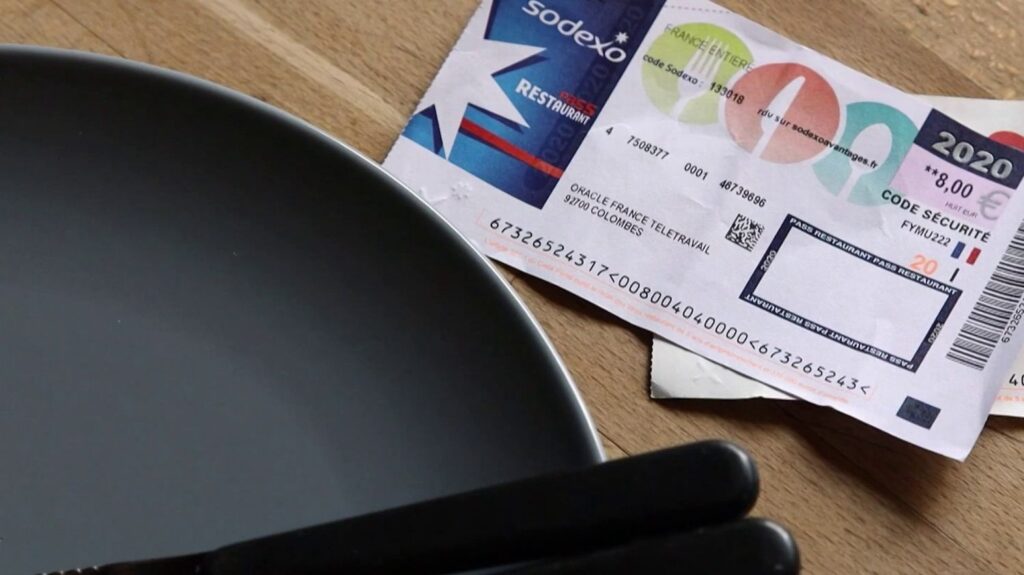
Will employers soon be less generous when it comes to meal vouchers? The government plans, in fact, to tax them at 8%. This is one of the measures included in the draft Social Security budget.
This text corresponds to part of the transcription of the report above. Click on the video to watch it in full.
Meal vouchers could cost businesses more. An employer contribution of 8% on the amount of each restaurant ticket is the government’s project. A customer benefits from this, 10 euros per day, which she often uses in a bakery. “It’s an advantage, but we still pay part of it”she says.
Like her, 5.5 million French employees benefit from these tickets allocated by their employers. “I think that if there is a tax, there will surely be reluctance on the part of employers to be as generous as they are today”fears a passer-by interviewed.
This contribution paid by bosses would undoubtedly have an impact on employees, according to a specialist. “We take the risk that companies act by saying: I am going to increase the coverage by the employee so that it does not cost 8% more, but perhaps 4 or 5% more. Otherwise, it is not bearable,” explains Benoît Serre from Cercle Humania – a collective of Human Resources Directors.
This could also have an impact in certain businesses. In a bakery, meal vouchers represent 30% of turnover. “Every time we touch tickets, there is an impact, like when they went more and more digital compared to paper. If there is additional taxation, there will be a negative effect on our turnover”regrets Gaetan Pichard, manager of the Les Frères Chapelier bakery.
The government views these benefits as a form of income that must be collected like wages. Employer contributions could also affect holiday vouchers and gift vouchers, all of which could bring in nearly a billion euros, according to the government.