Electric cars are expected to account for half of vehicles sold in 2050, and they will be more expensive to insure. Insurers want to take the lead and are proposing the establishment of a regulatory framework, particularly on batteries and spare parts.
:quality(50)/2023/07/07/64a7df4c5fe71_placeholder-36b69ec8.png)
Published
Reading time: 3min
:quality(50)/2025/11/06/maxstockworld486106-690cbc52e99dd022878274.jpg)
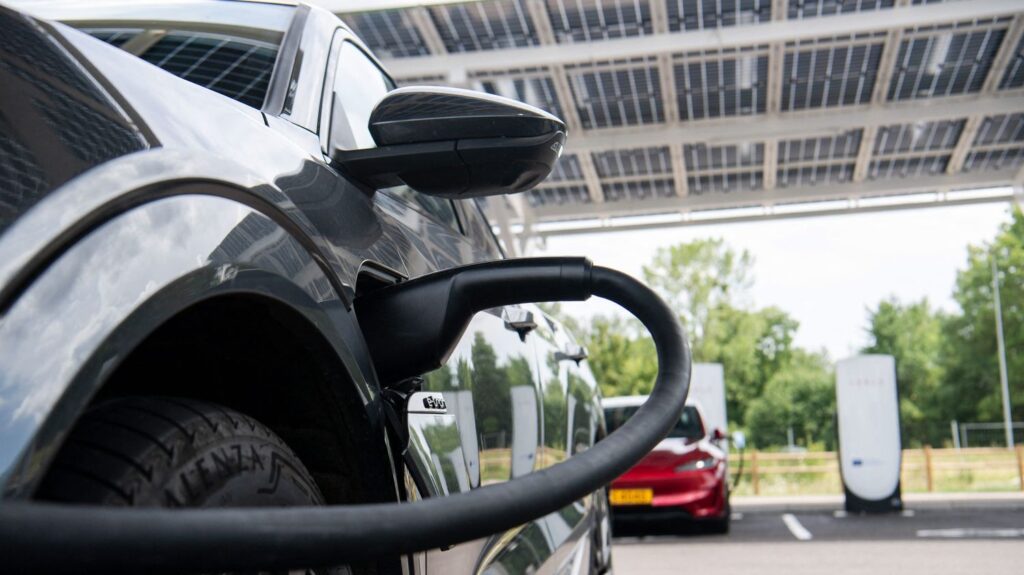
Today, only one in five cars sold is electric, but it is estimated that by 2050, these vehicles will represent half of sales. Cars more expensive to compensate than thermal cars: there is more than 10% difference. So insurers prefer to say it today, and perhaps also prepare their policyholders for an increase in additional premiums.
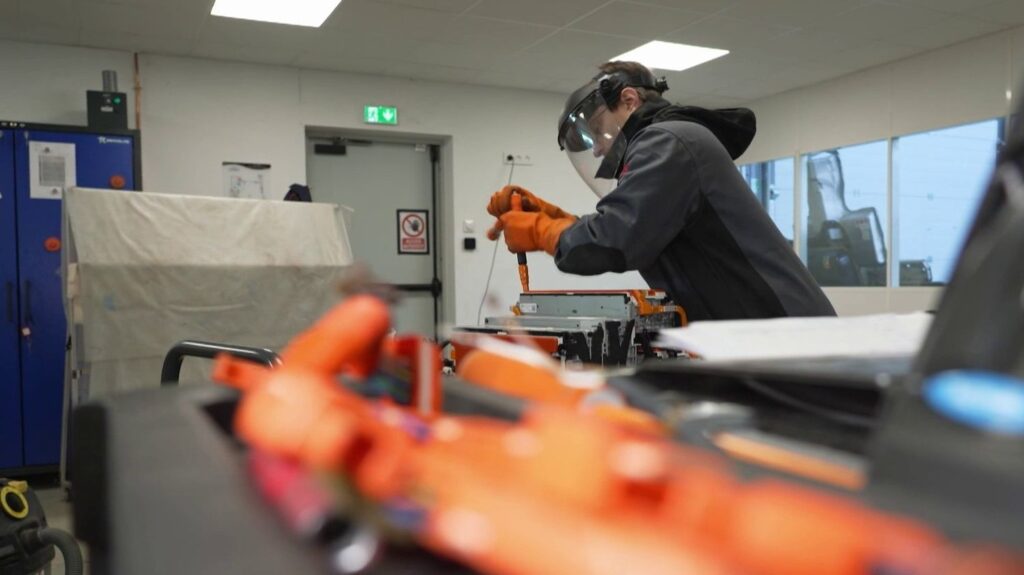
According to insurers, it’s not complicated, with an electric car, everything costs more. Insurers investigated two million cars. Example: batteries. Disassembly, diagnosis, repair… It’s more complex for an electric vehicle, sometimes even almost impossible to repair, or so expensive that it’s not worth it.
For windshields and headlights, it’s even worse: 24% more expensive to repair, whether on American cars like Tesla or Chinese cars like BYD. And we reach new heights in the event of an accident, because electric vehicles, like hybrids, are so much heavier that in the event of an impact, the damage is incomparable to a thermal car.
Insurers want to alert their customers, both with an idea in mind and suggestions to make. First of all, what tickles insurance professionals is the proportion of French people – almost seven out of ten – who do not even have an opinion on the question of electric vehicle insurance.
Insurers are proposing to quickly install a regulatory framework, particularly for batteries, because they represent on average 40% of the total price of a car. They therefore plead for them to be designed to be accessible and repairable, from the design of the car. A repairability approach which is also progressing in other sectors such as household appliances.
To avoid this, insurers are calling on Europe to have the same mandatory standards for all manufacturers. Then, insurers hope to kill any monopoly and preserve free competition between mechanics. Ultimately, the objective is to be able to use recycled spare parts, which are therefore less expensive.
For now, it’s a matter for professionals. How can customers make informed choices? Thanks to a repairability index that would apply to cars, as there is for household appliances, for example. With one day, undoubtedly, a rating on a scale of ten, based on technical measurements, crash tests, in particular. But it is a long and difficult job, according to insurers, and it will take a good year before it is completed.