Published
Reading time: 2min – video: 2min
:quality(50)/2025/11/07/saintes-une-taxe-doublee-sur-les-commerces-vides-690df9cc4aeab991997194.jpg)
2 minutes
Faced with the proliferation of empty businesses in Saintes (Charente-Maritime), the town hall wants to act. From next year, owners of unoccupied premises will see their property tax increase, a measure intended to combat the desertification of the city center but which gives rise to reservations among certain traders.
This text corresponds to part of the transcription of the report above. Click on the video to watch it in full.
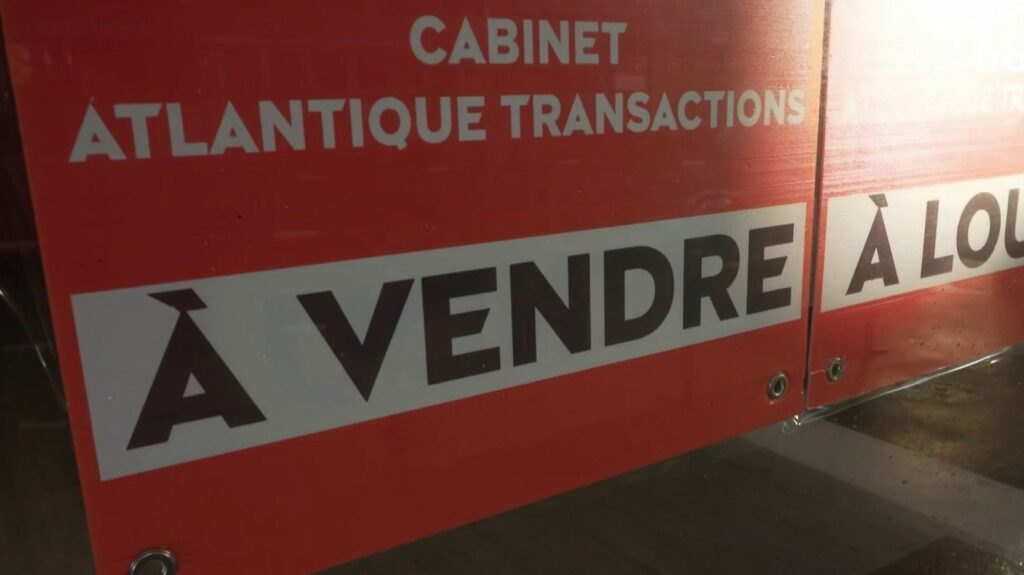
In the streets of Saintes (Charente-Maritime), it’s hard to miss the for sale or rent signs, displayed on many businesses in the city center. “It really hurts and we tell ourselves that it’s going badly”confides a local resident. For another resident, all these empty premises cause concern: “Every day, we see sales, sales, sales. I wonder to what extent it will still remain; will the others be able to hold on? Because with the world attracting the world, if there are fewer stores, it will desertify the city center even more.”
To revive its businesses, the town hall has decided to increase the property tax for owners of unoccupied properties. They will have to pay an increase: 20% more after two years without a tenant, 40% after four years. A measure that does not convince Estelle Duchesne, manager of a stationery store: “I don’t think a tax will encourage people to rent their premises more quickly, to lower the price or to re-rent them.”
The city ensures that it is scrupulously studying the files of vacant businesses: fifteen of them are already in the sights. Bruno Drapon, mayor (Horizons) of Saintes, warns: “What annoys us a little, as mayors, is that real estate companies invest in our municipalities, without knowing our municipalities, just to make money. All those we know are not playing the game because we have to say things as they are, well we are going to tax them.”
The increase in this property tax will apply from next year for owners whose property has been unoccupied for at least two years.