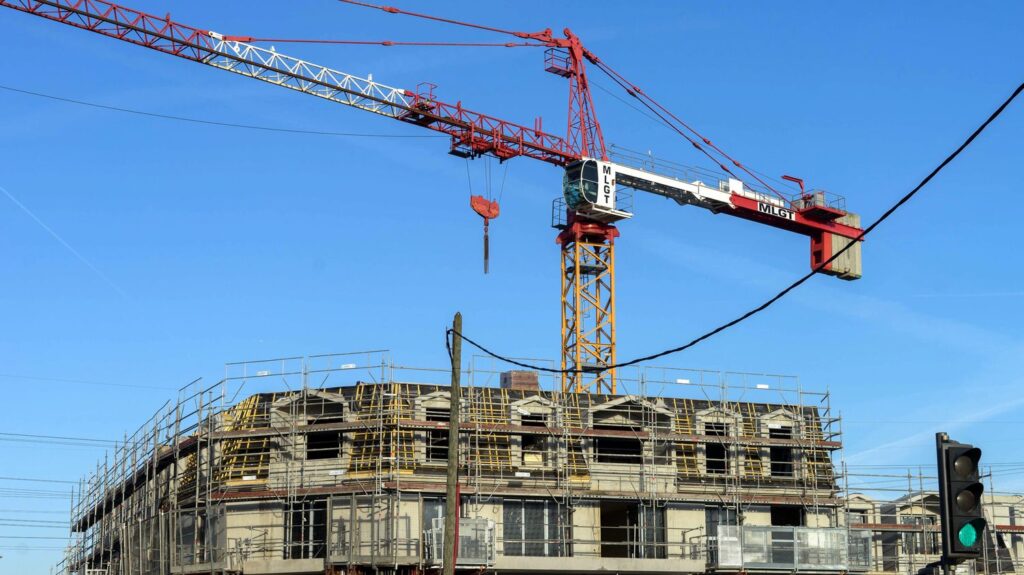
Among the numerous texts debated in Parliament, as part of the 2026 budget, the private landlord status project presents itself as a tax incentive for individuals who wish to invest in rental housing.
:quality(50)/2023/07/07/64a7df4c5fe71_placeholder-36b69ec8.png)
Published
Reading time: 3min
:quality(50)/2025/02/26/maxnewsfrfive904631-67bedc7c36e8d226976204.jpg)
A new tool against the housing crisis. This is called “the status of the private lessor”, is making its way into the budget review. Concretely, this involves encouraging individuals to invest in real estate to rent it, in exchange for a tax advantage. The Senate approved it, reinforcing a compromise that had already emanated from the National Assembly. The entire housing sector hopes that this measure will be definitively adopted, and in particular real estate developers whose industry is on the brink of collapse.
In Eure-et-Loir, in Barjouville, just next to Chartres, Benoit Aiglon is showing his latest batch of apartments, delivered a few days ago. This is the last program in its order book, because, at present, the promoter has nothing more in the pipeline. “We managed to get it out in time and it’s the last Pinel project there will be in the region”he explains.
The Pinel system corresponds to this tax reduction for buyers of new rental housing. Since its elimination a year ago, the new home market has collapsed with a drop in sales and the abandonment of construction sites. Promoters are desperate. “It’s a disastersummarizes the promoter. We have less production than in 1950, that’s never happened.”
“When we are told to lower prices, we mean well, but with a ZAN law which prohibits building and thermal regulations which arrive every morning, even if you make margins at zero, it does not work”denounces Benoit Aiglon, recalling that the image of the promoter “Who has the nice cars and makes 50% margins, that never existed”ensuring that the margins are rather of the order of “5 points” in operations “that work”.
For builders, the solution must therefore come from the State, and they are not the only ones hoping for this status from the private lessor. The shortage of rental housing is also the problem of elected officials, including in small towns like Barjouville with 1,800 inhabitants. Its mayor, Benoit de la Touche, knows that he was very lucky to sell all of these new apartments a year ago, just before the end of Pinel. “The question people ask is: ‘Is there a tax exemption on goods?’ I am convinced that if that had not been the case, we, the elected officials, would have found ourselves with a quarter of the village that would not have been completed.”assures the mayor.
To benefit from the status of a private landlord, the owner must respect a rent ceiling: very social, social or intermediate. In the latter case, it will be possible to amortize 300,000 euros of investment in twenty-five years, promises the government, which estimates the cost of the system at 1.2 billion euros by 2028.