This is the future nightmare for online sales giants. In China, malicious customers are using artificial intelligence to fake photos and demand refunds for the products they received.
Published
Updated
Reading time: 3min
:quality(50)/2025/12/29/article-695228721b09f389192692.jpg)
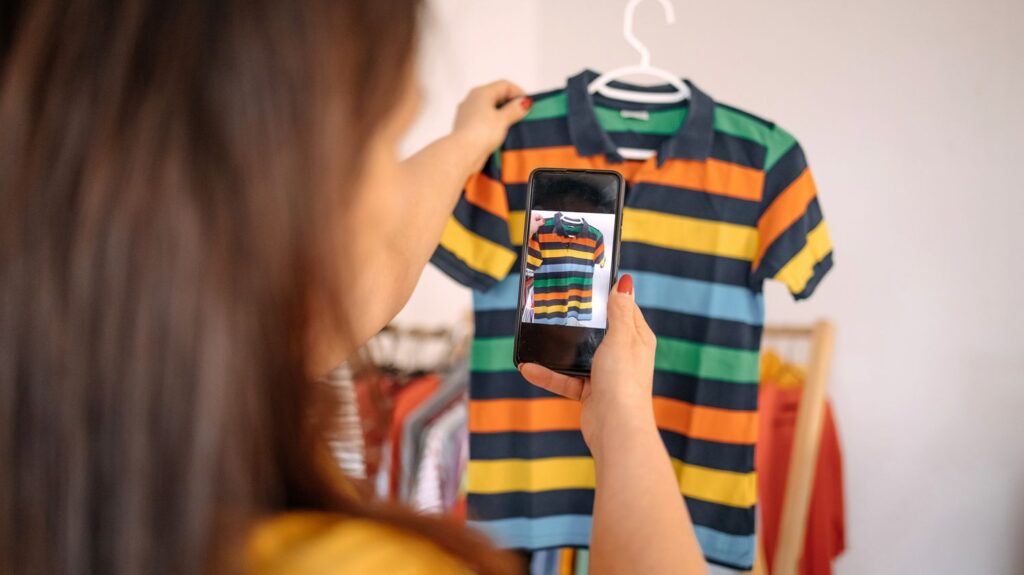
The handling is quite simple with all the artificial intelligence models available for free. At the end of 2025, malicious customers place a classic order on an online commerce site, they receive their package, open it, then take a photo of the goods and using an AI application, fake the photo to modify the appearance of the product received? Then these customers say it arrived damaged or broken.
They explain, for example, that their beautiful coffee cups were cracked during transport, that their white shirt was delivered torn or that the fresh apples they were expecting arrived rotten. Immediately, customers contact the seller, they send the doctored photo and demand either a refund or a new product.
These are often cheap goods and therefore the platform apologizes and reimburses without requiring the return of the damaged product.
This process is getting a lot of attention in China. Large e-commerce platforms, such as Taobao or JD.com, claim that this phenomenon will explode in 2025. More and more smart people are having fun claiming these refunds to the point that the platforms are forced to equip themselves with software to analyze the images that accompany refund requests. Ultimately, it is AI that must track down the images doctored by AI to identify the most suspicious requests.
In China, social networks are talking a lot about a case that happened in Jiangsu. An individual had purchased, directly, from a fisherman, on an online commerce platform, eight live crabs. It cost 195 yuan, or 24 euros. He received them, and requested a refund, explaining that six of the eight crabs had arrived dead. As proof, the individual sent a photo of the apparently deceased crabs with their legs in the air.
The fisherman had to reimburse, but he had doubts and asked for video proof. It was there that he noticed that the sex of the crabs had changed between the photo and the video and that some even had extra legs. He tried to contact the buyer to complain, to no avail.
The fisherman notified the police, who eventually found the buyer and placed him in administrative detention for eight days. In China, it is a form of incarceration without trial for petty crime cases. The idea being to try to scare away future AI fraudsters.