Published
Reading time: 2min – video: 2min
:quality(50)/2025/11/05/proces-lafarge-690b28f940214486390656.jpg)
2 minutes
A historic trial opened Tuesday, November 4, in Paris. That of a well-known industrial flagship, the cement manufacturer Lafarge, suspected of having financed terrorist groups in Syria. The group is accused of having paid jihadists, from 2012 to 2014, to be able to continue its activities. The ex-CEO and former executives are among the defendants.
This text corresponds to part of the transcription of the report above. Click on the video to watch it in full.
There are nine defendants, including the former CEO of Lafarge, the flagship of French industry. Did the company knowingly finance jihadists in Syria, between 2012 and 2014, with the aim of maintaining its activity and profits at all costs? This is the question that will have to be answered by the trial which opened Tuesday, November 4, in Paris.
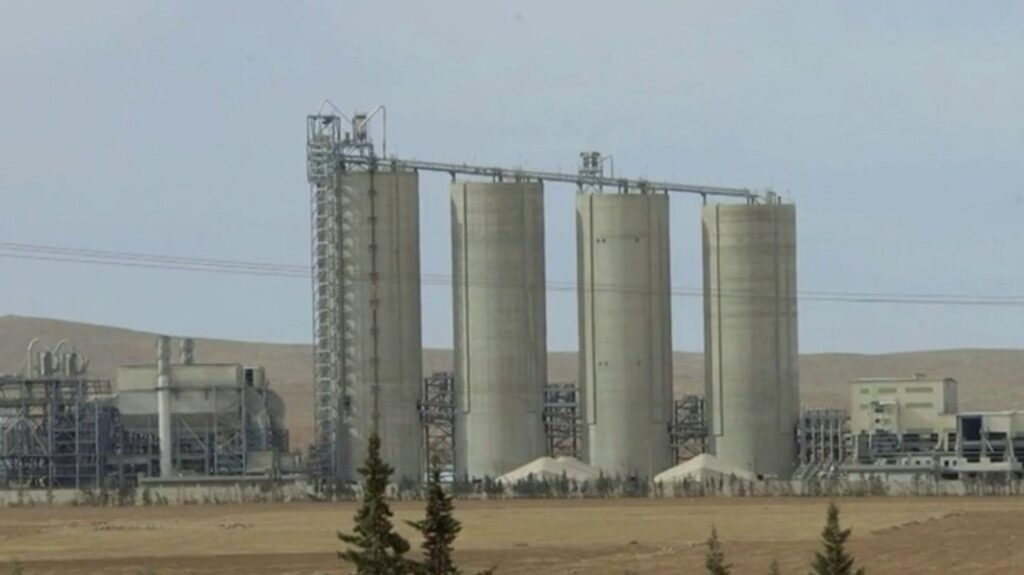
In 2012, in a country in civil war, all French companies left Syria, with the exception of Lafarge, whose brand new factory had just been purchased for around 600 million euros. According to the investigating judges, the cement manufacturer then agreed to pay several million euros to the terrorist groups who controlled the roads to allow the movement of its employees. Among the compromising elements, a pass which bears the Daesh flag, or even an email, which informs one of the officials of an agreement with the jihadists.
“Dear Bruno, regarding the Islamic State, I will have a meeting with them this evening. I have put the following offer on the table: 10 million per month for the free passage of raw materials and personnel”can we read in the document, presented in “Additional investigation” in March 2018. The equivalent of 25,000 euros. The company does not say it paid, but claims it had to do so under duress. It is also a line of defense for some of the defendants.
“Lafarge was surrounded by around twenty factions, all of which demanded money to ensure the safety of employees. They had to pay to pass through checkpoints”supports Maître Solange Doumic, lawyer for one of the defendants.
The group is also accused of wanting to maintain its activity for profit, even if it means endangering the lives of its Syrian employees, sometimes kidnapped by jihadists and released against ransoms. One of which was 200,000 euros, paid by Lafarge.
“They said, ‘Excuse me, but to come to the factory, I have to cross 80 km through checkpoints, where there are kidnappings. There are more than twenty kidnappings in this case. Lafarge responded ‘If you don’t come, you will be fired’, They fired some.”indicates Claire Tixeire, civil party, from the European Center for Constitutional and Human Rights. Already prosecuted for the same acts in the United States, Lafarge pleaded guilty there in October 2022.