A few days before a new year, a focus on new with this question: is new real estate always more expensive than old?

Published
Reading time: 3min
:quality(50)/2025/12/25/maxnewsfrsix020384-694d60d91606b164461412.jpg)
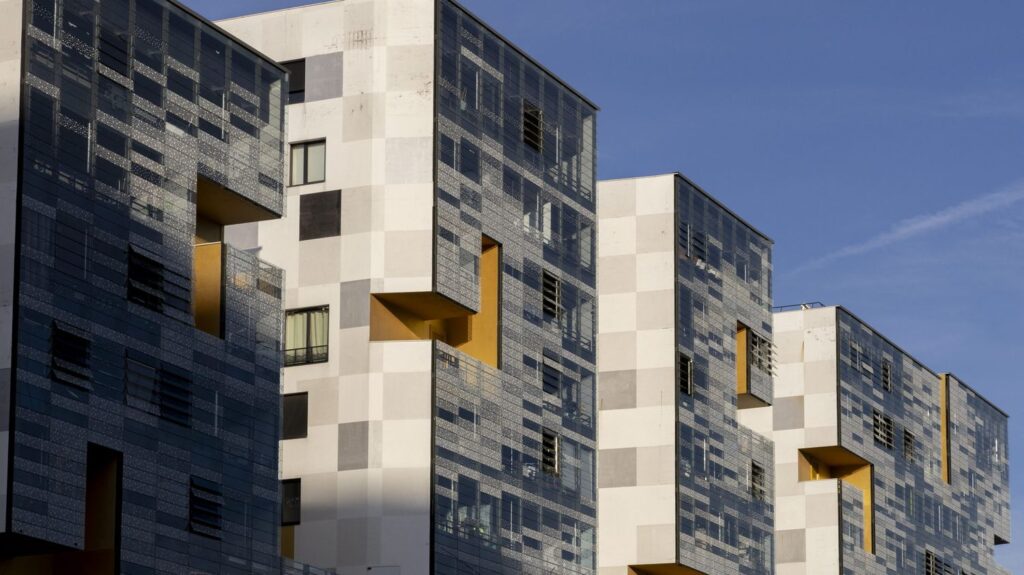
Initially, there is no match: the new one is more expensive than the old one. In France, it costs nearly €5,000/m2 on average for a new apartment compared to €3,500/m2 on average for an old one. The cost of materials, advanced techniques and land weighs on prices. But it is possible to save money in the long term.
First of all, you should know that in the former, transfer taxes (generally called notary fees) are higher. They represent 7 to 8% of the purchase price of a property, compared to 2 to 3% for new properties.
Then, new housing is exempt from property tax for at least 2 years. There are also important guarantees, such as the ten-year guarantee which covers possible construction defects for 10 years.
In the long term, buying new is in principle the commitment to have a property equipped with the latest environmental standards and an DPE (energy performance diagnosis) with the best letter classifications. An A or B label means that there is no obligation to carry out work for many years, and the assurance of a reduced energy bill.
In a tense real estate contextyou have to keep your eyes peeled, there are sometimes promotional operations: on the occasion of the launch of a program, to start the work, and at the end if completed apartments are not reserved.
There are also discounts at real estate shows, additional costs offered, additional equipment included in the sale price.
Please note that for those who are embarking on ownership, who wish to become owners for the first time, since last spring zero interest loaninterest-free and guaranteed by the State, is especially advantageous in new properties.
It can cover up to 30% of the price of a new house and up to 50% of the price of a new apartment (across the entire territory in the collective). The interest-free loan for the main residence can also be combined with other local or regional loans.
If it doesn’t have the charm of the old, in the long term, the new can prove to be more economical. New is not just a question of price, it is also a way of participating in the transition and encouraging the production of low-carbon housing.